



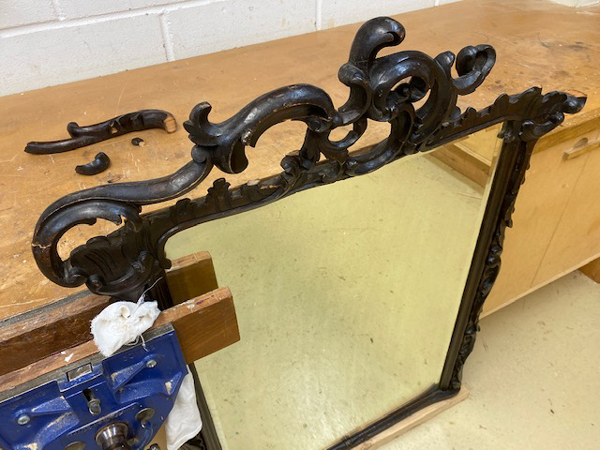
When people hear that you are a woodworker, they will often ask you to have a look at their wobbly wooden chair – “I’m sure that all it needs is another nail”, they say. Diagnosis of the fault is usually very easy – your eyes will tell you what’s going on. Remedying the fault rarely involves much more than sandpaper to clean up the joint, a little glue and some careful clamping to stop it all falling apart. Because modern glues are so good, this approach should keep the owner of the chair happy and gives you the satisfaction of avoiding another piece of furniture ending up in the tip.
Today’s resource-hungry and throw-away culture worries me. I notice it particularly with electrical and electronic devices, where items with only the smallest of faults, which could be mended in minutes, are thrown away. This is plainly wrong.
Why does this happen? It’s partly habit – “it’s what we always do”. Repair may be expensive – buying the time of a person with the right skills may cost a lot even if the cost of the spare parts (if any) are negligible. Indeed, finding a person with the right skills may be hard. Also, and more worrying is that manufacturers now often design their products to be hard or even impossible to repair in order to encourage us to spend more money and replace the item. It’s easy for the manufacturers to do this – make repair information unobtainable to anyone outside the company, make the device awkward to dismantle for repair (for example, by using glue rather than screws), require the use of special tools, restrict the supply of spares, make batteries non-replaceable or even design the device so that it has a limited life.
Fortunately the situation may be improving. The “right to repair” message is spreading (potentially through legislation) and is echoed by the proliferation of Repair Cafés (there are now several in easy reach of Uckfield) where skilled volunteers can help you make repairs to everything from clothing to computers. Repair Cafés make no charge except for spare parts, but users usually make a modest donation to cover running costs.
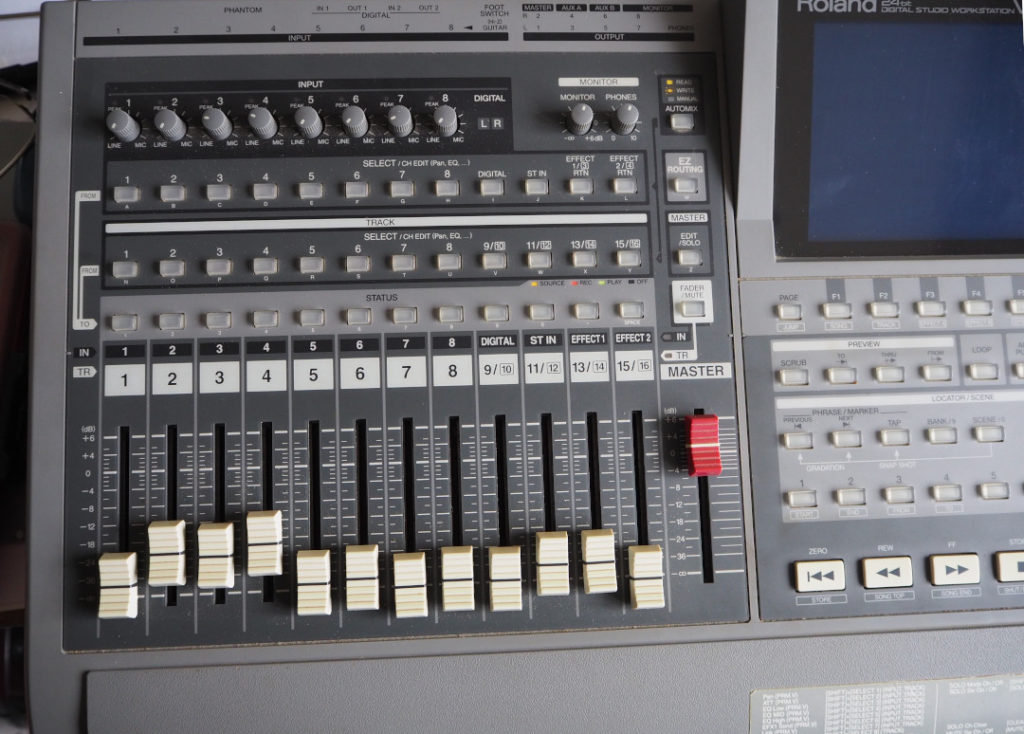
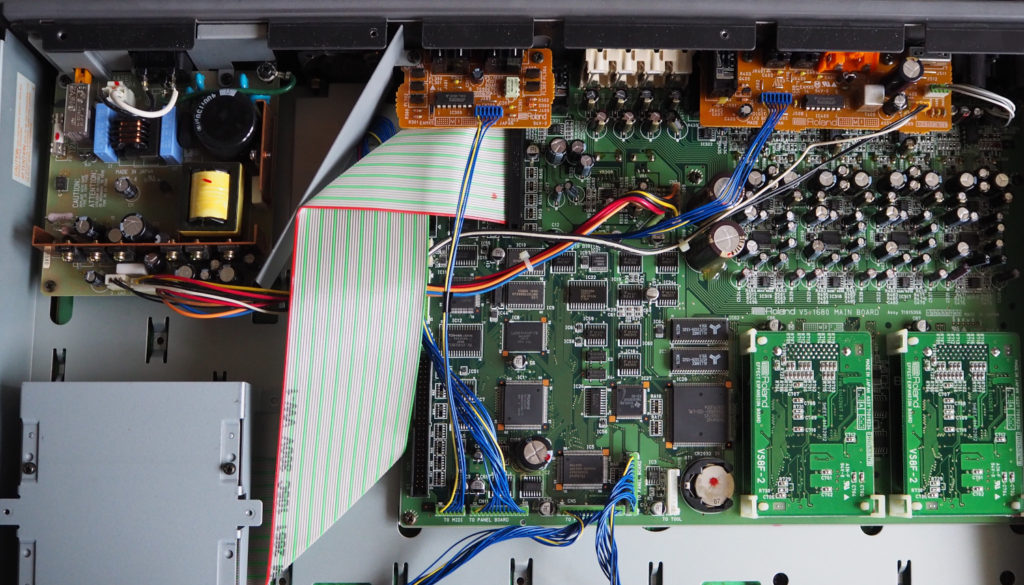
So can I make a suggestion? The next time you have something that breaks, think about whether you or someone else can repair it. Maybe go to a Repair Café – you can find your nearest one on the web. And how about developing your own repair skills? The internet is clearly a wonderful resource for repair information and there’s bound to be a YouTube video showing you how it’s done. You rarely need specialist tools. And if you are worried about whether you will be able to reassemble it, take lots of photos as you dismantle it. For example, the picture here is of the innards of a mixing desk I repaired the other day, and I was worried that I would forget where all the wiring connectors went.
If it’s all a disaster, console yourself with the observation that you were going to throw it away anyway. But I’d bet that there will be many more successes than disasters! There’s another really important aspect to repair. And that’s the satisfaction in getting something working again. The sound of a radio bursting into life after thought and soldering can be music to your ears.
Des